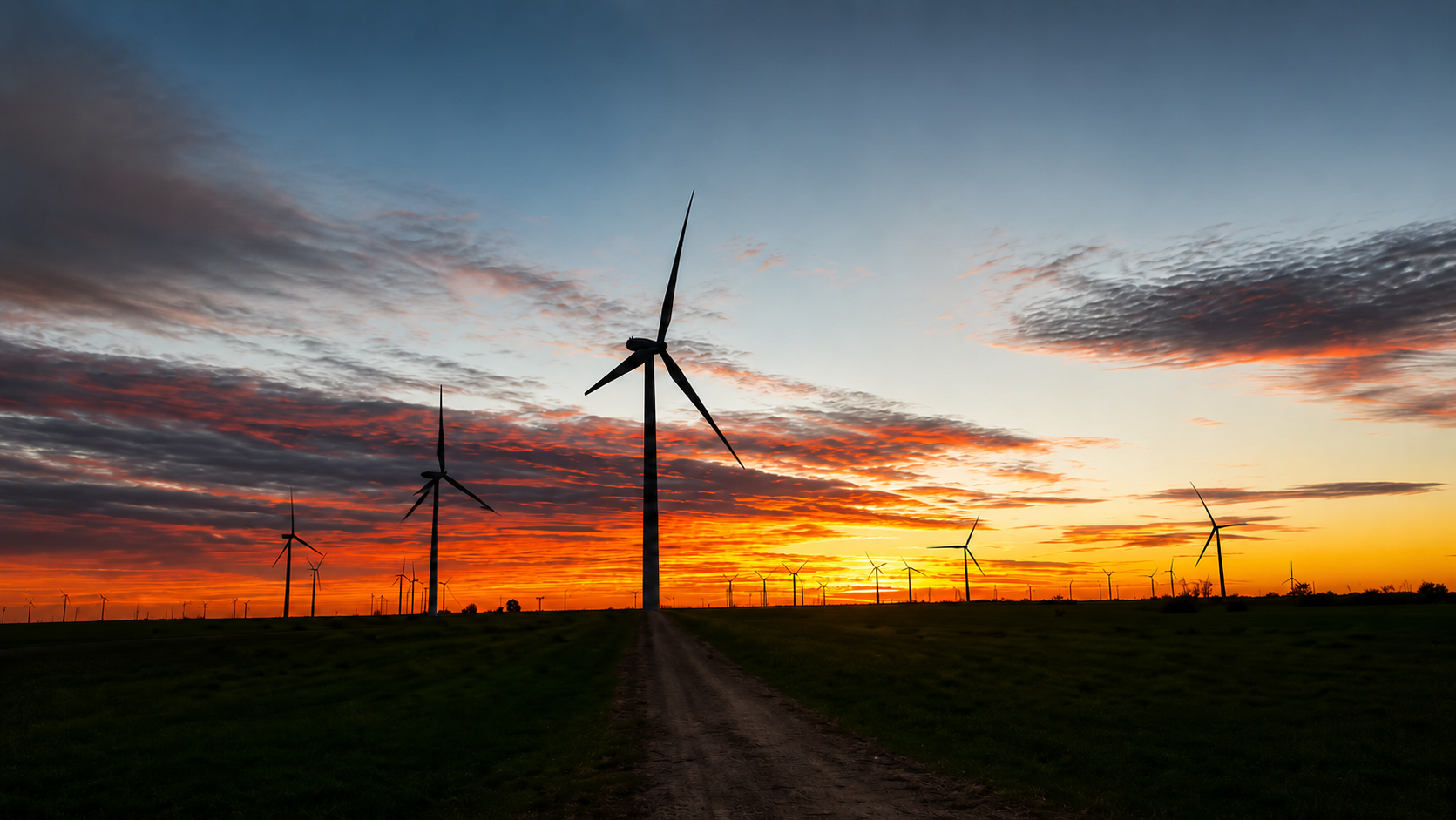

Africa is entering a new era of energy investment.
Growing electricity demand, rapid urbanisation, favourable renewable energy resources, expanding regional power markets, and increasing international interest are creating significant opportunities across the continent.
Why Africa Is Becoming an Energy Investment Destination
Africa has one of the fastest-growing populations in the world, alongside rising industrialisation and increasing electricity demand.
Many countries are investing heavily in
- Renewable power generation
- Electrolyser manufacturing
- Water infrastructure
- Storage facilities
- Export terminals
- Port infrastructure
- Pipeline development
- Engineering services
- Equipment manufacturing
- Research and innovation
Key Drivers of Energy Investment
Abundant Renewable Resources
Many African countries possess some of the world's best solar and wind resources, providing ideal conditions for producing low-cost renewable electricity. Since electricity represents the largest cost in hydrogen production, this creates a major competitive advantage.
Strategic Export Opportunities
Many proposed hydrogen projects are designed to supply international markets seeking low-carbon fuels like green ammonia, sustainable fuels, and industrial feedstocks, with North African countries positioned perfectly to supply European markets.
Industrial Development
Green hydrogen can support local fertilizer production, steel manufacturing, heavy industry, mining operations, maritime transport, and long-duration energy storage, allowing countries to build strong internal value chains.
Where Investors Are Focusing
01
Low-Carbon Hydrogen Production
Produced using electricity generated entirely from renewable sources such as solar, wind, hydropower, and geothermal to split water into hydrogen and oxygen without emissions.
Investment opportunities
02
Hydrogen Strategies Frontier Markets
Pioneering nations across multiple sub-regions have announced national frameworks or large-scale multi-gigawatt export projects.
Investment opportunities
Countries to Watch
Investment opportunities exist across the continent, but several countries continue to receive increasing attention due to supportive policies.
Examples include
Challenges Investors Should Consider
Common considerations include
- High capital costs
- Water availability for electrolysis
- Transmission infrastructure deficits
- Export logistics and shipping chains
- Skilled workforce development
- Policy certainty
- Market demand guarantees
- Financing structures
Why partnerships matter
- Governments
- Investors
- Project Developers
- Technology Companies
- Researchers
- Financial Institutions
Conferences help organisations
- Evaluate national hydrogen strategies
- Uncover active cross-border infrastructure planning
- Identify private equity and project financing pathways
- Form international bilateral supply partnerships
Featured event
Clean Energy Conference Australia-Africa
Who attends
Topics include
Frequently Asked Questions
What makes green hydrogen different from grey hydrogen?
Green hydrogen is produced using entirely renewable electricity, generating little or no carbon emissions, whereas grey hydrogen is extracted from fossil fuels like natural gas.
Why is Africa a competitive location for hydrogen production?
The cost of renewable electricity is the single largest factor in hydrogen pricing. Africa's world-class solar and wind resources drive down power costs, maximizing global market competitiveness.
What industrial applications can green hydrogen support domestically in Africa?
It can immediately modernize and transform fertilizer production, clean steel manufacturing, mining fleet operations, and long-duration utility storage networks.