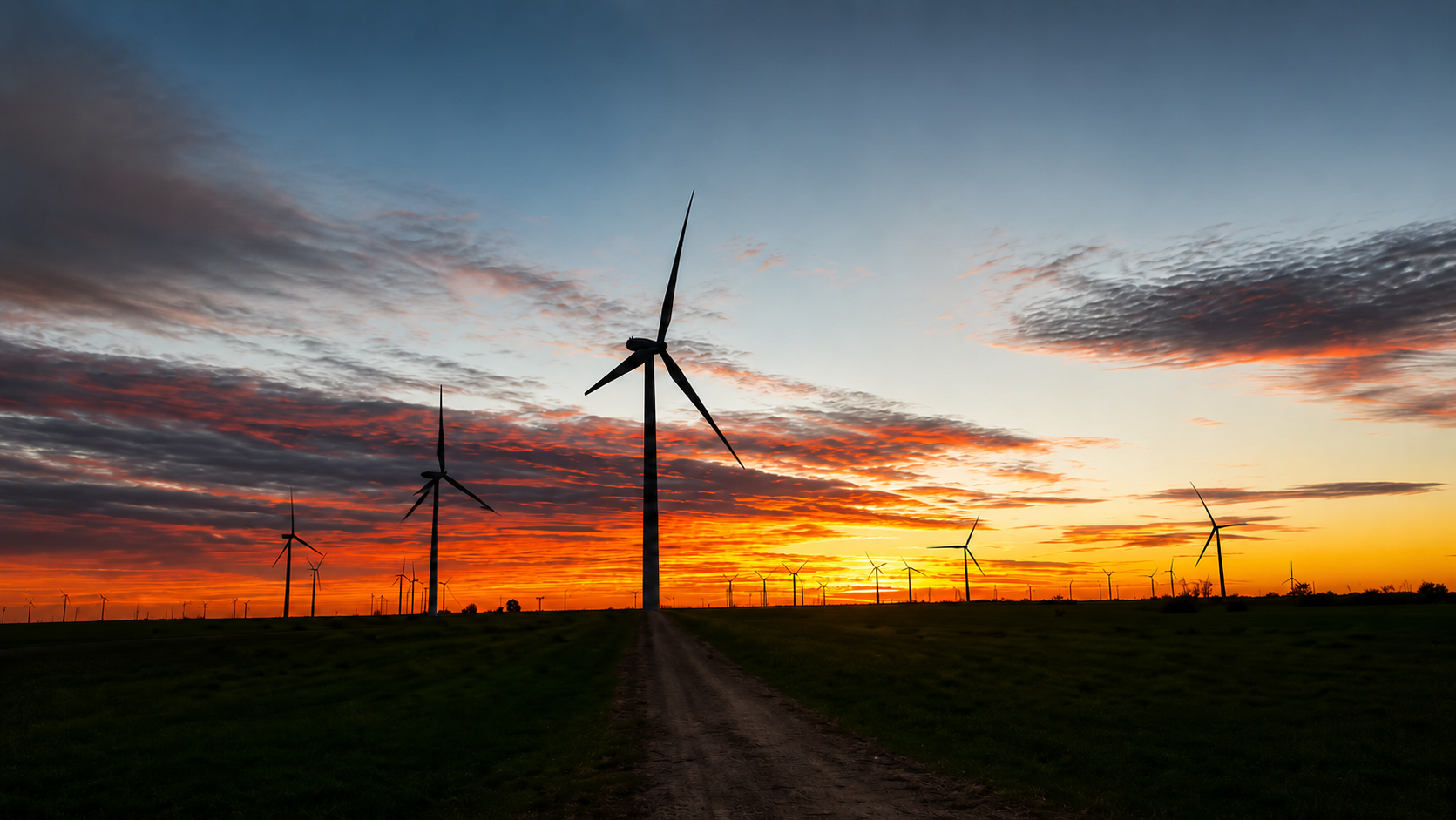

Africa is entering a new era of energy investment.
Growing electricity demand, rapid urbanisation, favourable renewable energy resources, expanding regional power markets, and increasing international interest are creating significant opportunities across the continent.
Why Africa Is Becoming an Energy Investment Destination
Africa has one of the fastest-growing populations in the world, alongside rising industrialisation and increasing electricity demand.
Many countries are investing heavily in
- Renewable energy investment
- Electricity pricing
- Grid expansion
- Private sector participation
- Climate finance
- Independent Power Producers (IPPs)
- Carbon reduction strategies
- Regional electricity trade
- Energy security
- Universal electricity access
Key Drivers of Energy Investment
Renewable Energy Targets
Many African governments have established national targets for renewable energy deployment. These targets provide long-term certainty for investors while helping countries diversify their energy mix and reduce emissions across solar, wind, hydro, geothermal, biomass, and battery storage.
Electricity Market Reform
Across Africa, governments are reforming electricity sectors to improve efficiency and attract private investment. This includes utility restructuring, Independent Power Producer frameworks, competitive procurement, market liberalisation, and improved licensing.
Private Sector Participation
Governments increasingly recognise that public funding alone cannot meet future electricity demand. Policy reforms encourage Independent Power Producers, Public–Private Partnerships, international investment, infrastructure finance, and green investment funds.
Grid Modernisation
Renewable energy requires modern electricity infrastructure. Many countries are introducing policies supporting smart grids, digital utilities, battery storage, transmission expansion, and cross-border interconnections.
Climate and Sustainability Policies
Energy policy is increasingly linked with broader climate and economic development goals through net-zero commitments, climate adaptation, carbon reduction, green finance, sustainable infrastructure, and energy efficiency.
Where Investors Are Focusing
01
Kenya Policy Reform
Kenya continues to strengthen its renewable energy sector through supportive policies, investment incentives, and expansion of geothermal, wind, and solar generation, while leading in distributed renewable energy.
Investment opportunities
02
South Africa Policy Reform
South Africa has introduced significant electricity reforms aimed at increasing private generation, modernising transmission infrastructure, and expanding renewable energy capacity.
Investment opportunities
03
Nigeria Policy Reform
Nigeria is implementing reforms designed to strengthen electricity markets, encourage distributed generation, and improve regulatory frameworks, including net-billing proposals.
Investment opportunities
04
Regional Frontiers (Rwanda & Namibia)
Rwanda positions itself as a regional leader in clean energy innovation and access, while Namibia leverages policy to fast-track large-scale green hydrogen and utility renewable investments.
Investment opportunities
Countries to Watch
Investment opportunities exist across the continent, but several countries continue to receive increasing attention due to supportive policies.
Examples include
Challenges Investors Should Consider
Common considerations include
- Limited transmission capacity
- Financing constraints
- Regulatory uncertainty
- Grid reliability
- Rural electrification
- Cross-border coordination
- Project permitting
- Workforce development
Why partnerships matter
- Utilities
- Renewable energy developers
- Financial institutions
- Technology providers
- Mining companies
- Academic institutions
- Development organisations
- Industry associations
Conferences help organisations
- Access to stable and predictable regulatory frameworks
- Insights into long-term infrastructure planning
- Updates on competitive procurement processes
- Clarification on licensing procedures
- Reviewing bankable power purchase agreements
Featured event
Clean Energy Conference Australia-Africa
Who attends
Topics include
Frequently Asked Questions
What is energy policy?
Energy policy refers to the laws, regulations, incentives, and government strategies that guide how energy is produced, distributed, financed, and consumed.
Why is energy policy important for investors?
Stable and transparent policies reduce investment risk and improve confidence in long-term infrastructure projects.
Which African countries are leading renewable energy policy?
Countries including Kenya, South Africa, Rwanda, Morocco, Egypt, and Namibia have introduced significant renewable energy policies, although approaches vary depending on national priorities.
How do conferences support energy policy development?
Conferences bring together governments, regulators, investors, utilities, researchers, and industry leaders to exchange ideas, discuss reforms, and build partnerships that support implementation.